

The Meta-Designer: Why AI Doesn’t Kill Architectural Craft—It Elevates It
As generative AI shifts architects from makers to curators, the new craft isn’t just picking outputs—it’s designing the design process.
I'm a practicing architect working in architectural computing—AI, BIM, computational design, and the tools in between—and I write when something about them doesn't add up.
A rule-based deconstructivist pavilion synthesized in Python using Blender's bmesh library, exploring interlocking opaque volumes and glazed voids.
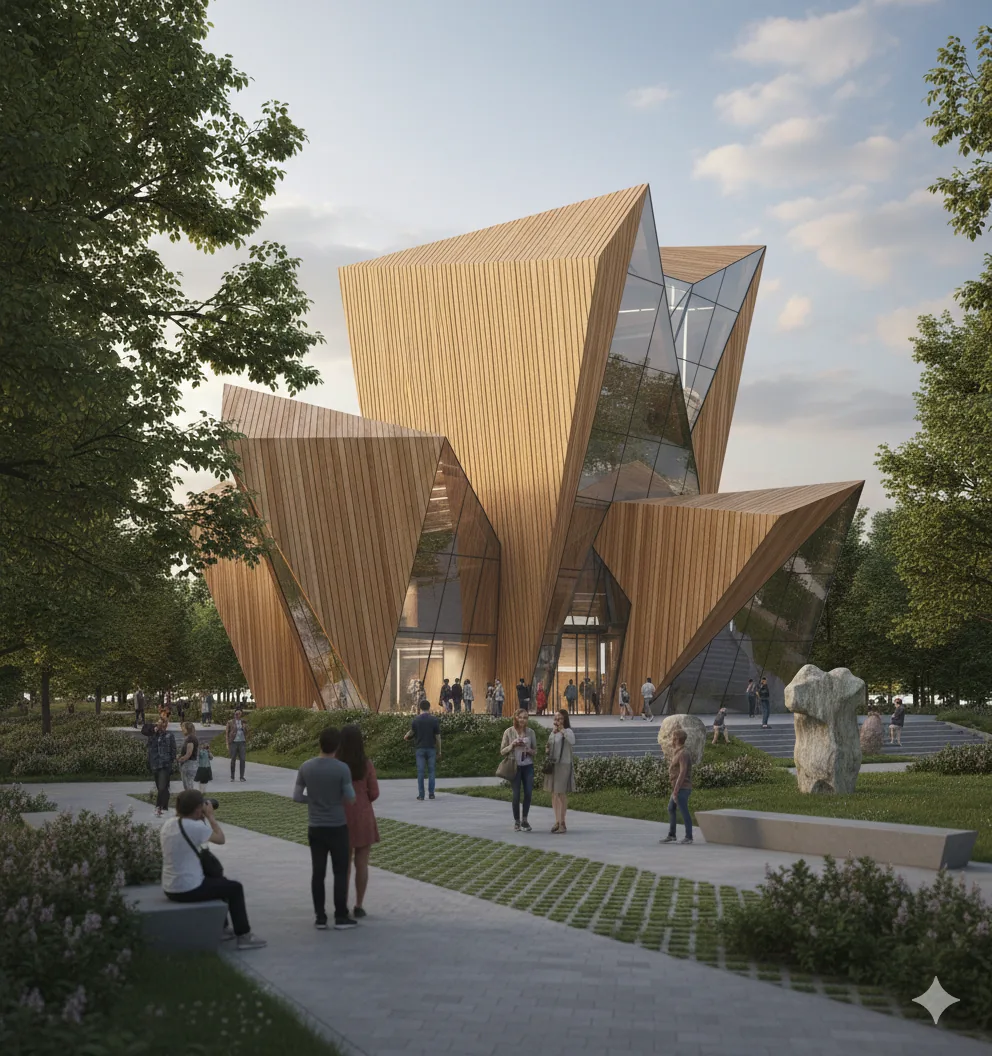
A cultural space composed of procedural prismatic shards generated in Julia, balancing fragmented geometry with warm timber slats.
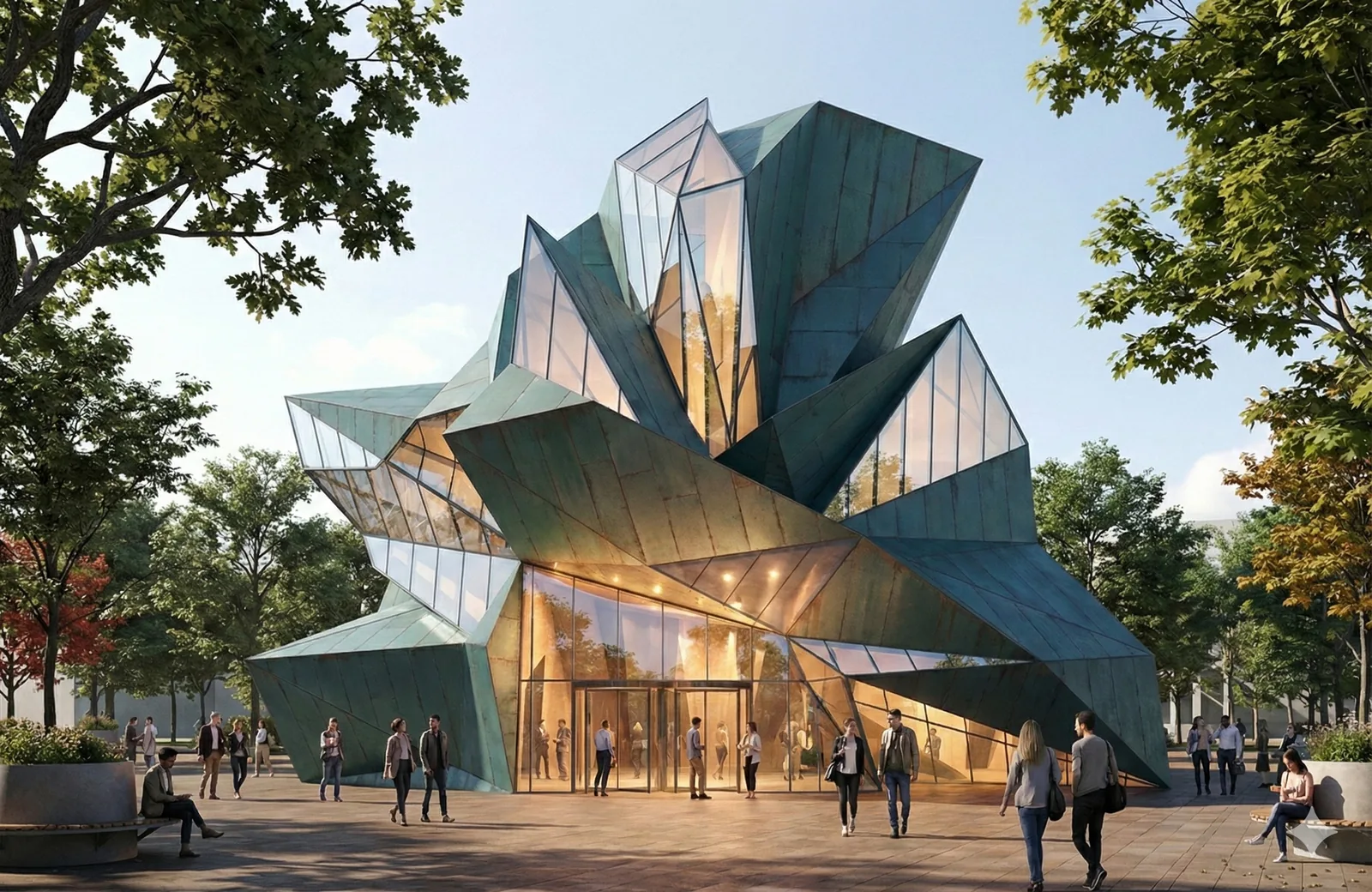
An urban-scale digital geode generated via spherical vertex perturbation in Julia, pairing chaotic geometry with oxidized copper materiality.
As generative AI shifts architects from makers to curators, the new craft isn’t just picking outputs—it’s designing the design process.
Exporting Revit to SketchUp shouldn't mean broken geometry and lost data. I built an open-source JSON bridge to fix that—now available on GitHub.
Buildings can meet every technical target and still feel wrong. Why performance data alone cannot guarantee good architecture.